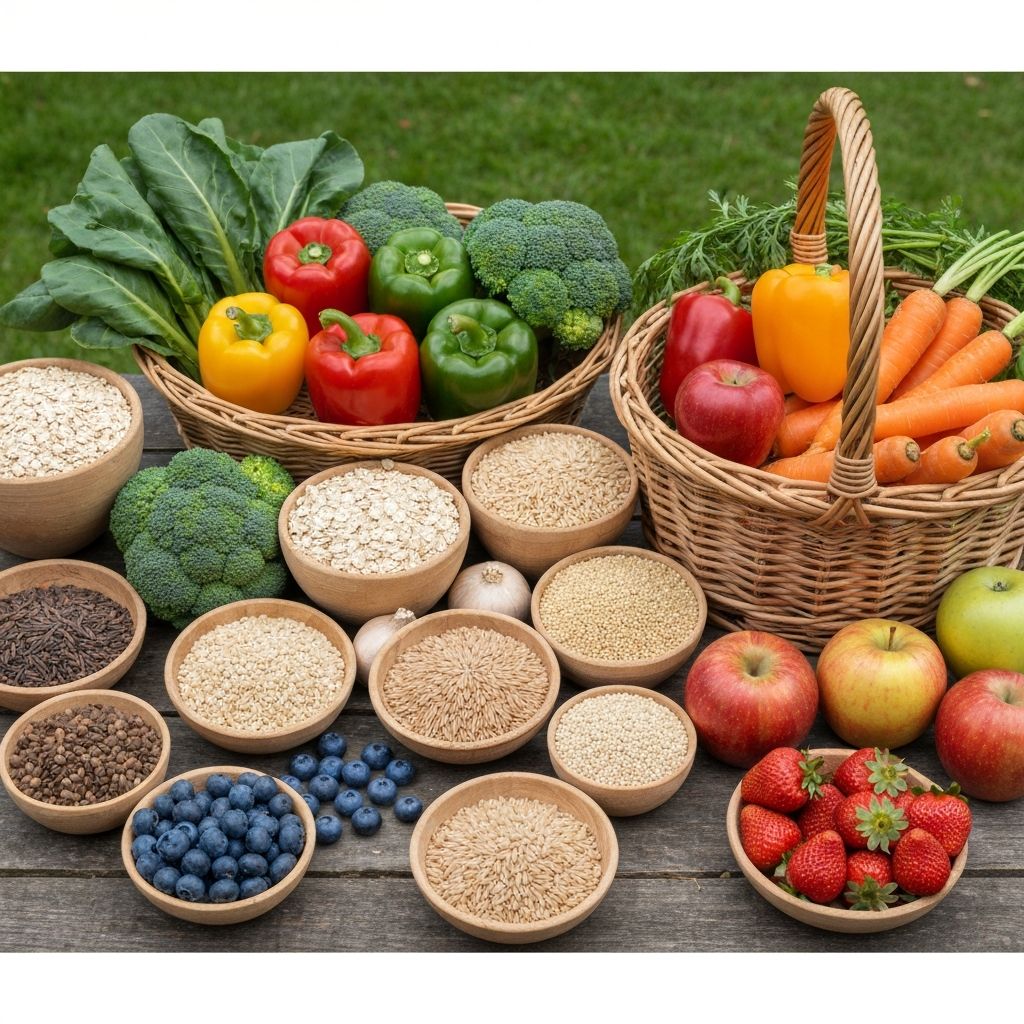
Understanding how populations eat provides valuable context for nutrition science. National dietary surveys and epidemiological studies reveal patterns in food consumption across different demographic groups in the United Kingdom.
National Dietary Survey Data
The UK National Diet and Nutrition Survey (NDNS) provides comprehensive data on dietary intake across age groups and demographics. This data reveals general patterns in what people eat, portion sizes, and nutrient consumption across the population.
General Consumption Patterns
Research shows that dietary patterns vary significantly by age, gender, socioeconomic status, and cultural background. Younger people tend to have different food preferences than older populations. Regional differences also exist in traditional food choices and preparation methods.
The survey data shows that convenience foods and processed foods make up a significant portion of the average UK diet. Fresh vegetable and fruit consumption varies widely between individuals and demographic groups.
Macronutrient Intake
Average macronutrient intake across UK populations falls within ranges that are well-documented by nutritional epidemiology. Carbohydrates typically constitute the largest proportion of energy intake, followed by fats and proteins. However, these averages mask considerable individual variation.
Micronutrient Status
Population-level data indicates that vitamin D, iron, and certain B vitamins show variations in intake and status across different demographic groups. These variations relate to food choices, food availability, and cultural dietary practices.
Food Group Consumption
Grains and Cereals: A significant source of carbohydrates and energy in UK diets. Consumption of whole grain products has increased in recent years but remains lower than refined grain products.
Vegetables and Fruits: Intake varies widely, with recommendations for five portions per day often not being met across the population.
Proteins: Consumed from diverse sources including meat, fish, legumes, eggs, and dairy products. Animal protein sources predominate in UK diets, though plant-based protein consumption is increasing.
Dairy Products: Significant contributors to calcium and protein intake, though consumption varies by age and individual preference.
Meal Timing and Eating Occasions
Survey data reveals patterns in when people eat throughout the day. Breakfast consumption varies by age, with children more likely to eat breakfast than adults. Snacking patterns show significant individual variation.
Important Context
These population-level patterns represent averages and general trends. They do not describe how any individual should eat. Considerable variation exists within the population, and individual circumstances, preferences, and health factors all influence appropriate dietary choices.
Individual vs. Population Data
It's crucial to understand that population-level observations describe general patterns, not prescriptions for individuals. The fact that a certain percentage of the population consumes particular foods does not mean those foods are optimal for any specific individual.
Educational Context
This article presents population-level dietary data and patterns observed in national surveys. This information is educational context about how populations eat, not guidance for individual dietary choices. Individual nutrition decisions should involve personal circumstances and professional consultation.